Raleigh, North Carolina, a hub for innovation, research, and tech growth, is now becoming a center of AI-powered education. One of the most talked-about developments is the opening of Alpha School, an AI-driven private school that blends adaptive technology with real-world skill development in an unconventional learning model.
What Is Alpha School and What’s Coming to Raleigh?
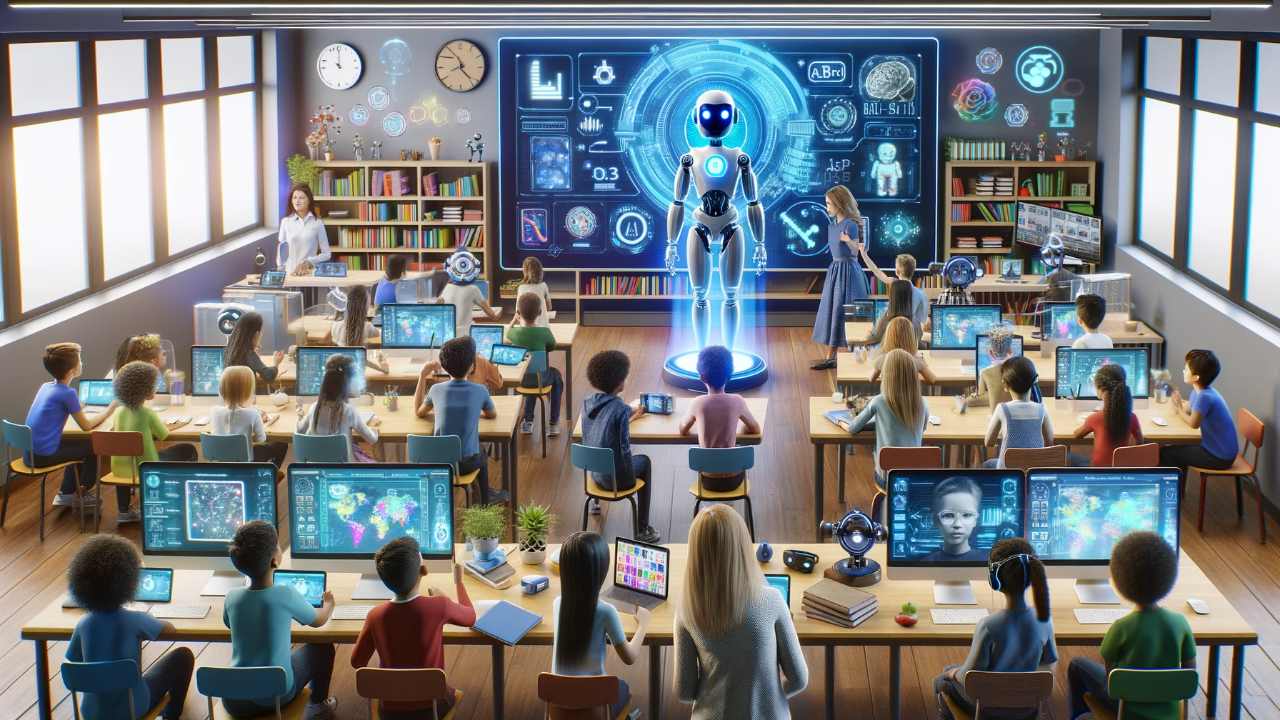
Alpha School’s Raleigh campus is part of a wider national rollout expanding the school’s unique approach to education. This K–5 school uses adaptive AI tools to tailor core academics to each student’s strengths and challenges. Unlike traditional classrooms, students spend roughly two hours on academic content in the morning via AI-supported learning, then focus on collaborative, hands-on projects in the afternoons, ranging from coding to entrepreneurship and interpersonal skills.
Alpha School’s model has been described as a blend of personalized AI instruction and guided coaching, with human “guides” supporting students rather than conventional teachers. This approach is already in place at other Alpha campuses across the U.S., including in Austin, Miami, Los Angeles, and Dallas, and similar AI-first schools are gaining attention for their innovative structure.
AI Integration Beyond Specialized Schools
Raleigh and North Carolina public education systems are also exploring ways to bring AI tools into traditional classrooms. The North Carolina Department of Public Instruction (NCDPI) recently partnered with the AI Innovation Index — a nationwide initiative designed to benchmark AI literacy and integration across schools. This effort aims to support districts and educators in embedding AI responsibly across curriculums, helping students and teachers adapt to evolving technology demands.
Public discussions and policy development around AI in schools are underway in Wake County and beyond, with district leaders working to craft official AI usage policies that balance learning enhancement with academic integrity and safety concerns.
AI Literacy Initiatives and Personalized Learning Tools
Education isn’t changing only at the school level, innovators are building platforms aimed at personalizing learning for students at scale. In Raleigh, edtech startups like Asobo are deploying AI-driven modules tailored to each student’s learning profile, adjusting questions and challenges dynamically to support mastery and engagement. Models like this could eventually be integrated into broader classroom use or supplemental tutoring programs.
At the same time, some districts are exploring AI tools directly within everyday classrooms, giving teachers access to platforms that assist with brainstorming, writing support, and personalized feedback, all aimed at enhancing learning outcomes rather than replacing instruction.
Why AI Schools Are a Big Deal
AI-driven education models represent a shift in how we think about teaching and learning:
- Personalized pacing: Adaptive technology meets students where they are, adjusting content delivery to individual needs.
- Skill-focused learning: Beyond traditional subjects, AI schools emphasize life skills, collaboration, and real-world problem solving.
- Teacher support: By streamlining administrative work through AI, educators can focus more on coaching and mentorship.
- AI literacy for all: As AI tools become pervasive in workplaces, equipping students early builds future-ready capabilities.
These trends align with broader national conversations about AI’s role in education and the workforce from global initiatives to equip students with advanced AI tools and certifications to growing investments in AI research and training programs.
What This Means for Families and Educators in Raleigh
For families, the arrival of AI-powered schools in Raleigh offers new choices in education from personalized academic pathways to classroom experiences designed around tomorrow’s technologies. For educators and administrators, it presents both exciting opportunities and real questions about curriculum design, teacher training, ethical implementation, and equitable access.
Media Placement Services Can Help You Navigate These Trends
As AI reshapes education, the way organizations communicate, recruit, and engage with families and students must evolve too. Media Placement Services helps education leaders and schools understand emerging platforms and AI-powered tools and identify the right media strategies to reach their audiences. From evaluating new opportunities to planning and buying media across digital, social, and local community channels, our team supports your brand’s growth in a rapidly changing landscape.