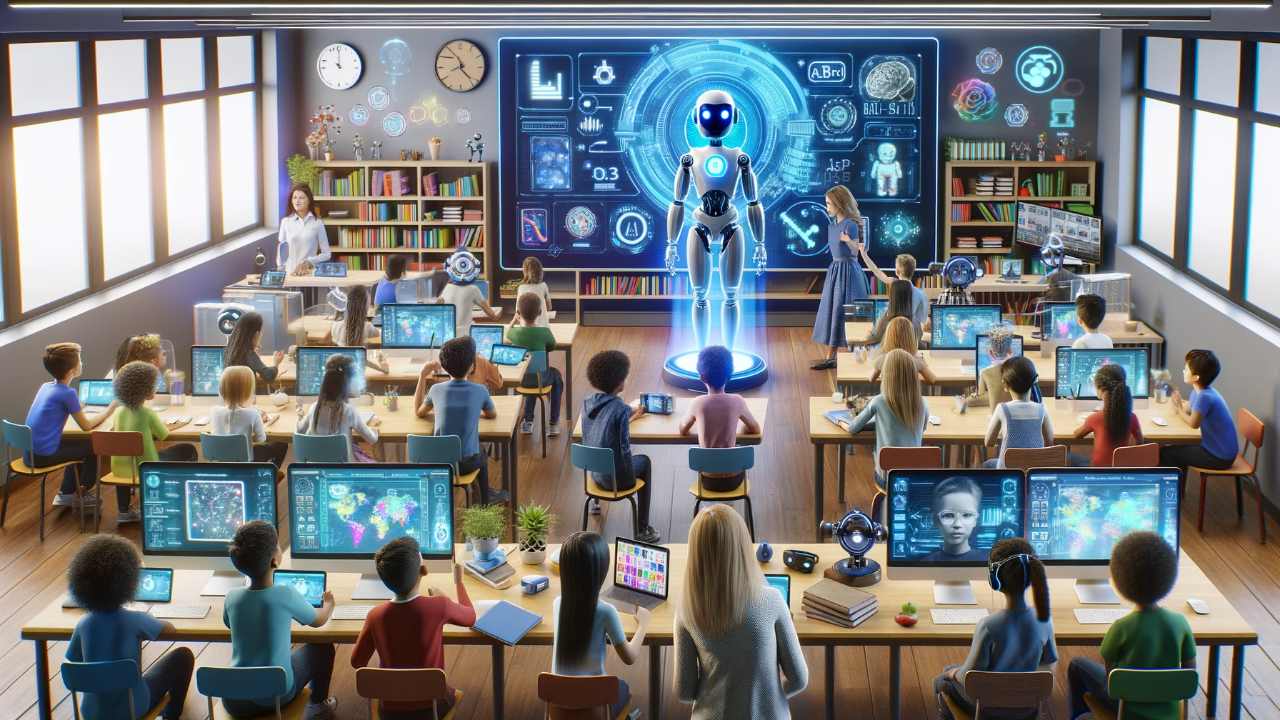
Meta (Facebook & Instagram) has made it clear: by 2026, it plans to power nearly 100% of its advertising system with artificial intelligence. This ambitious shift promises to transform how ads are created, targeted, & optimized across Facebook, Instagram, Threads, WhatsApp, & the Meta Audience Network.
What Does Fully Automated Advertising Look Like?
Meta’s vision involves AI handling every step of the advertising journey:
- Ad copywriting & creative production using generative AI.
- Audience targeting powered by real-time behavior & interest modeling.
- Automated A/B testing & real-time performance adjustments.
- Predictive performance forecasting to guide budget & channel decisions.
Essentially, Meta’s ad tools will act more like autonomous marketing assistants — taking in your goals & assets & then doing the rest.
The Benefits of AI-Driven Advertising
1. Speed & Efficiency – AI can build full campaigns in minutes — including copy, imagery, targeting, & placement — saving time for in-house teams & agencies.
2. Performance Optimization – Machine learning can test variations, tweak budgets, & shift placements automatically, often improving ROI with less manual effort.
3. Creative Generation at Scale – Tools like Meta’s Advantage+ Creative or AI-generated product images will allow brands to produce personalized ads at massive scale.
4. Smarter Targeting – AI doesn’t just look at demographics. It can detect patterns in behavior, engagement, & context to match ads with the most relevant users.
5. Reduced Barriers for Small Businesses – Smaller advertisers without big creative teams or strategy departments can still access powerful, effective campaigns.
The Potential Drawbacks
1. Loss of Creative Control – Marketers may find it difficult to maintain brand voice or unique storytelling when AI is generating or modifying their content.
2. Lack of Transparency – AI’s decision-making process can be a “black box.” Why an ad is shown to someone, or why performance changed, may not always be clear.
3. Over-Reliance on Automation – Relying too heavily on AI could result in generic or repetitive messaging, especially if many brands are using the same tools.
4. Data Privacy & Regulation – As AI-driven targeting becomes more advanced, it may raise concerns among users & regulators about data use and personalization.
5. Creative Homogenization – If everyone uses the same AI systems, creative outputs may start to look & feel the same, dulling brand distinctiveness.
Meta’s push toward fully AI-powered advertising is both exciting & cautionary. For marketers, it offers new efficiencies, cost savings, & potential performance gains — however it also demands a careful balance between automation & intentional strategy.
The best approach? Use AI as a powerful tool, not a crutch. Human creativity, brand understanding, & ethical oversight are more essential than ever.
As we head toward 2026, the marketers who succeed will be those who embrace AI’s speed — without sacrificing the meaning of their messages.
Want help future-proofing your Meta ad strategy? Let’s talk about blending smart automation with a smarter strategy.